The Pilot Light that Won’t Stay Lit: Troubleshooting Why Your Flame Sensor or Thermocouple Is Failing
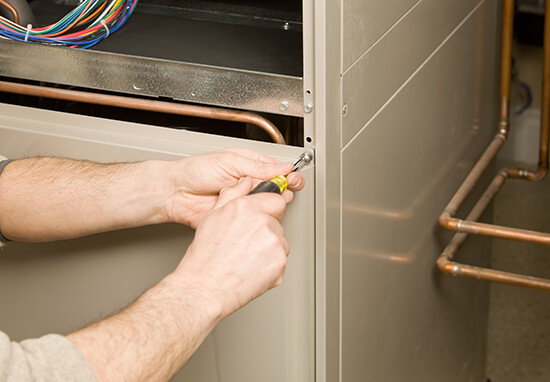
Winter in Kansas City can be unforgiving. Heating systems often run nonstop to keep families safe and comfortable. When a system won’t start or won’t stay running, it quickly becomes a serious concern. One common culprit is a pilot light that won’t stay lit. Although small, this component is critical in fuel-burning systems. Without a steady flame, you have no heat. At Summit Heating and Cooling, we frequently diagnose pilot light and ignition system issues, and we want to help you understand why they happen.
Most older furnaces and boilers rely on a thermocouple, while many modern systems use a flame sensor with electronic ignition. Both components serve the same purpose: confirming that a flame is present so the gas valve can remain open. When this process is interrupted, the system shuts down for safety. Understanding how these parts work helps explain why the flame won’t stay lit.
Understanding the Purpose of the Thermocouple
A thermocouple is commonly found in older furnaces and boilers that use a standing pilot light. It’s a small copper rod positioned directly in the pilot flame. When heated, it generates a small electrical current that signals the gas valve to stay open. As long as that signal remains steady, fuel continues flowing and the system operates normally.
When a thermocouple fails, that signal weakens or disappears entirely. The gas valve closes, and the pilot light goes out. Over time, the thermocouple can become worn, bent, or burned. If it’s no longer properly positioned in the flame or has lost sensitivity, it won’t generate enough current. This is a common issue in older heating systems and one that can usually be resolved quickly by a professional.
How the Flame Sensor Differs in Modern Systems
Newer furnaces typically use electronic ignition and a flame sensor instead of a standing pilot light. While the technology is different, the function is similar. A flame sensor is a thin metal rod that detects a flame through a process called flame rectification. When ignition occurs, the sensor confirms that a flame is present and signals the system to continue supplying gas.
Because flame sensors are highly sensitive, even small amounts of debris, oxidation, or carbon buildup can interfere with their ability to read the signal. This is one of the most common reasons modern furnaces fail to stay lit. In some cases, the fix may be as simple as cleaning the sensor, but a professional inspection ensures there are no additional issues affecting system safety.
The Impact of Carbon Buildup and Soot
Any heating system that relies on combustion is vulnerable to soot and carbon buildup. These deposits interfere with flame detection and can cause short cycling or complete shutdowns. Even rugged fuel-burning furnaces depend on precise flame behavior to operate safely.
While it may seem easy to wipe down a sensor or thermocouple, these components are delicate and carefully calibrated. Improper handling can bend or damage them, creating a larger problem. Our technicians know how to clean and service these parts without affecting their accuracy or alignment.
Misalignment and Pilot Flame Quality
Sometimes the issue isn’t the sensor itself but its positioning. A thermocouple must sit directly in the hottest part of the flame. If it shifts even slightly, the signal weakens and the gas valve closes. Correcting this requires precise alignment, which is best handled by a professional.
Pilot flame quality also matters. A clean pilot tube produces a steady blue flame. When debris restricts the pilot opening, the flame may appear yellow or weak. This type of flame doesn’t generate enough heat to keep the thermocouple active. Identifying and correcting pilot flame issues is often a straightforward repair when handled by an experienced technician.
When to Call for Professional Help
Although understanding these components is helpful, working with gas systems and ignition components is dangerous. You should never attempt to repair a pilot light or ignition system on your own. Safety sensors shut down fuel flow to protect your home when something is wrong, and forcing the system to run can create serious risks.
If your heating system is short-cycling, failing to ignite, or refusing to stay lit, it’s time to call Summit Heating and Cooling. Our technicians provide fast, accurate diagnostics to identify the root cause of ignition failure. While the issue may be minor, there are cases where more serious repairs or replacement are necessary. Safety and reliability always come first.
Summit Heating and Cooling is your trusted heating expert in the Kansas City area. We serve both sides of the metro and provide full-service HVAC solutions year-round. From emergency heating repairs to system replacements, air conditioning, ductwork, and indoor air quality services, water heaters, conditioners, softeners, and any type of plumbing needs—we’re here whenever you need us. Our team is available 24/7 for emergency service, and our reputation reflects our commitment to your home comfort.
To learn more about our HVAC services in the Kansas City area, contact Summit Heating and Cooling today. Remember, if you’re looking for the top, REACH for the Summit—Summit Heating and Cooling.